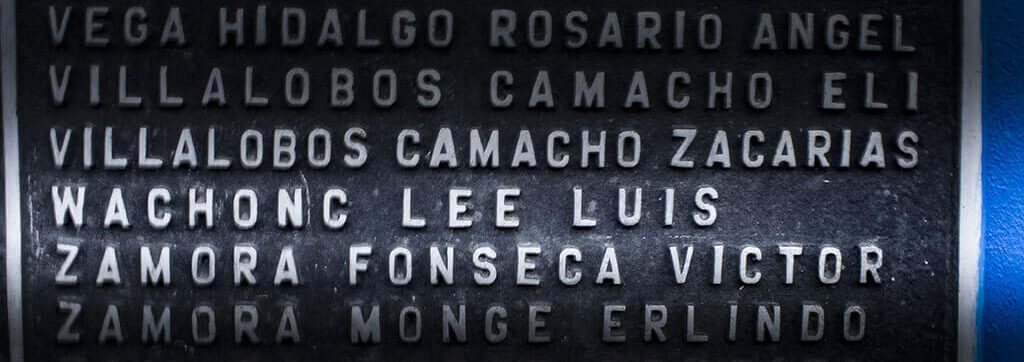
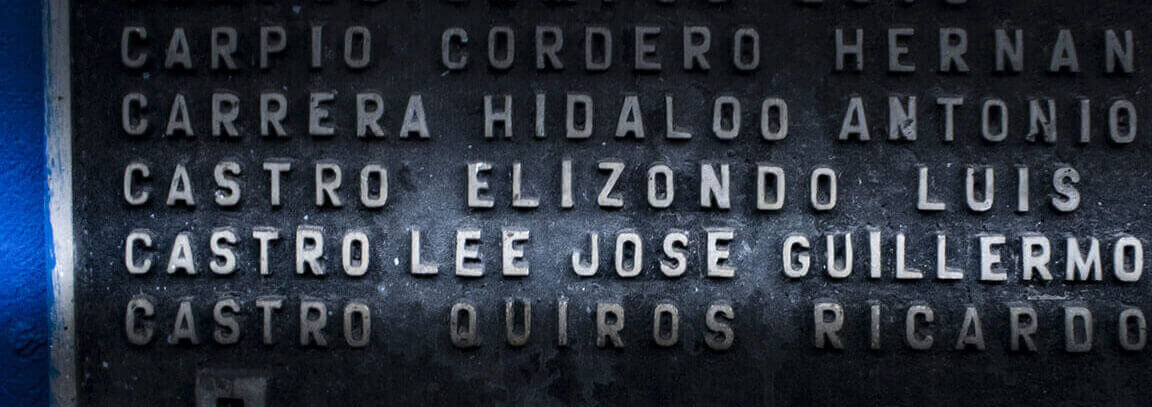
Castro León Family
“This land has given us, the Castro León family, the education to prosper in our professions and now we want to give back to Nature what the family altered to obtain sustenance”
-Enrique Castro León-
Our Story
THE BEGINNING
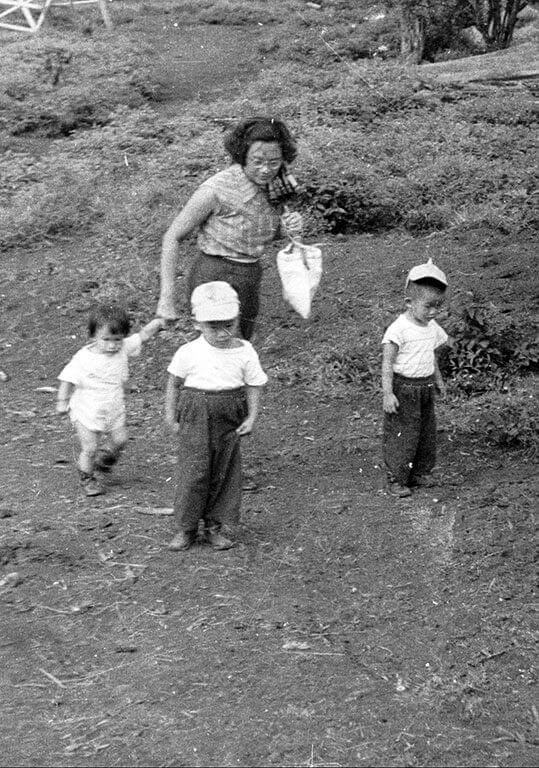
José Castro Lee’s parents came to Central America from China at the beginning of the 20th century. José was born in 1910 and was sent to be educated in China when he was 5 years old. He returned in 1935, living for a time in Siquirres, in the province of Limón, then in Puerto Cortés, in the province of Puntarenas.
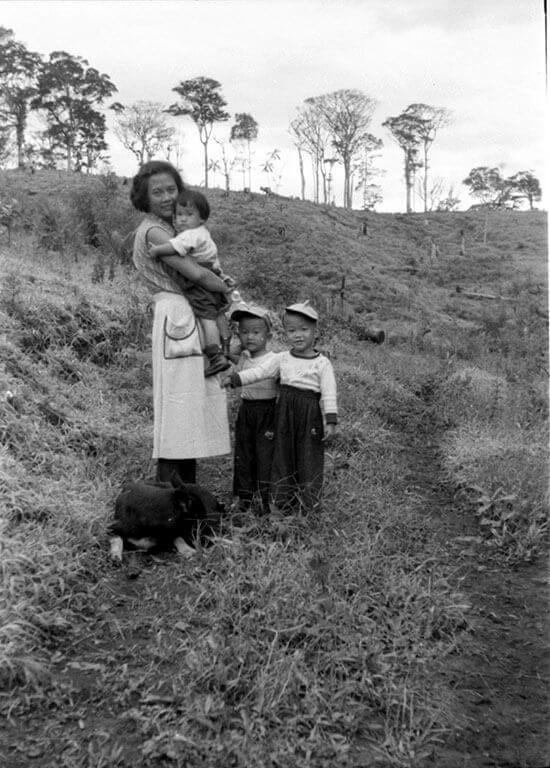
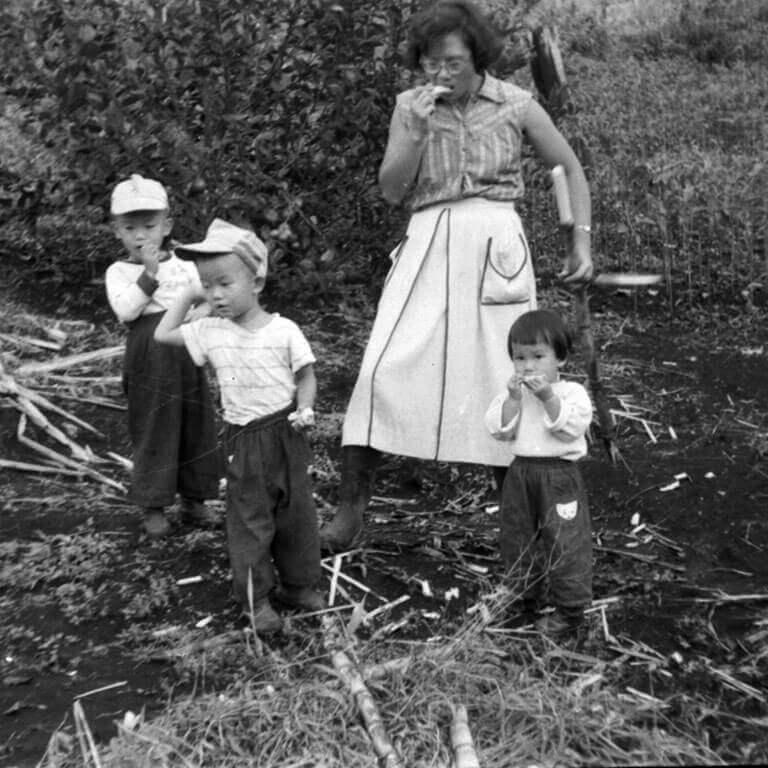
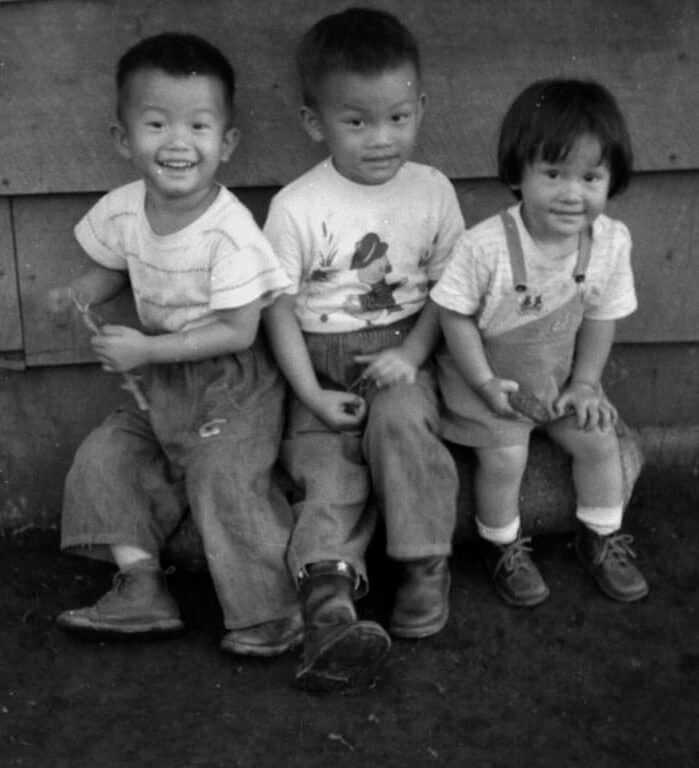
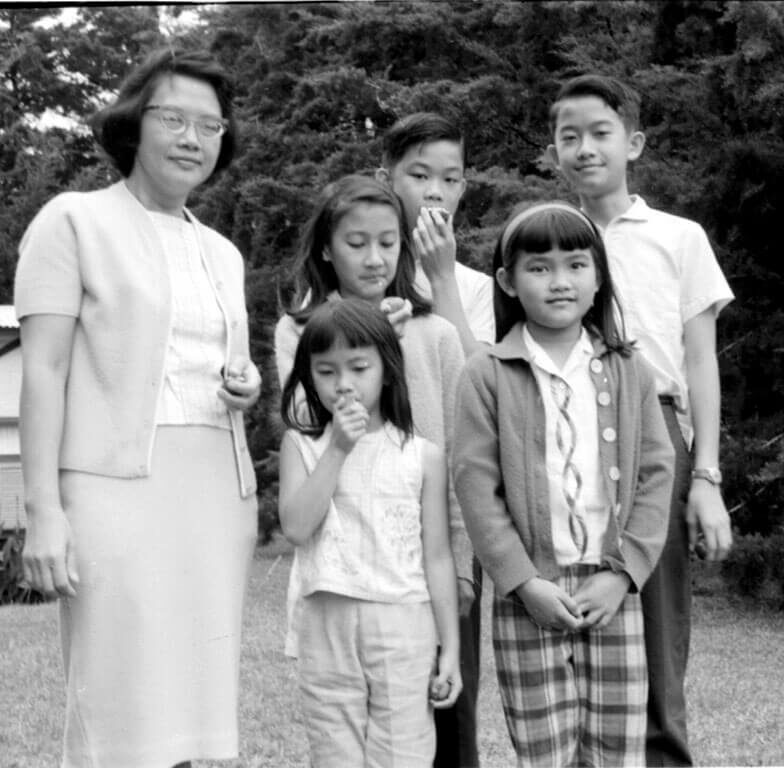
He met Alicia León Chan in 1943, who lived in Tegucigalpa, Honduras. They married in 1950, they lived in Puerto Cortés, then in 1957 with Enrique, Javier and Vilma (Ami), they moved to Sabalito, where Yanina and Regina were born.
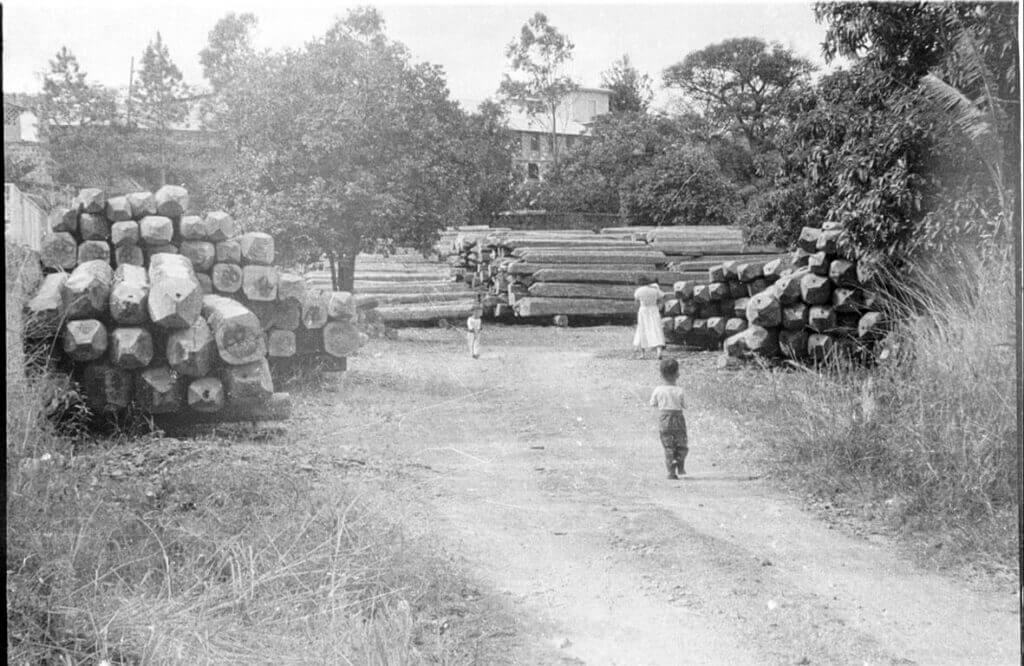
The farm comprised land on both sides of the road from Sabalito to La Unión. In the first house that was built for the family there was no electricity, no water pipes. The latrine and a shower were outside. Bathing in the neighboring stream was normal. Since 1965, Alicia and her sons and daughters spent most of their time in San José because there was no school in the area.
In 1978, 10 years after José’s death, Alicia decided to sell the coffee plantations south of the Poma road to an Italian immigrant settled in San Vito. The locals called these coffee plantations “Finca de la China or Finca La China”, a name that the new owners of the property could not change when they wanted to rename it Finca San Anselmo.
As a curious fact: The stream that runs parallel to the road from Sabalito to La Unión, appears on the maps of the National Geographic Institute at 1:10 000 scale, as El Chino ravine. It shows that the names of El Chino and La China were forever united in the region.


Cooperativa de Caficultores de Sabalito
COOPESABALITO built a plant to process the fruit, or “beneficiation” of the coffee. This cooperative not only dealt with processing the fruit, but with other aspects to support its production, such as sale of the harvest, loans such as advance payment of the harvest, technical advice, sale of agrochemicals, among others. Over time, the cooperative diversified its activities with a fuel service station, a supermarket, and a building materials warehouse.

An Invitation
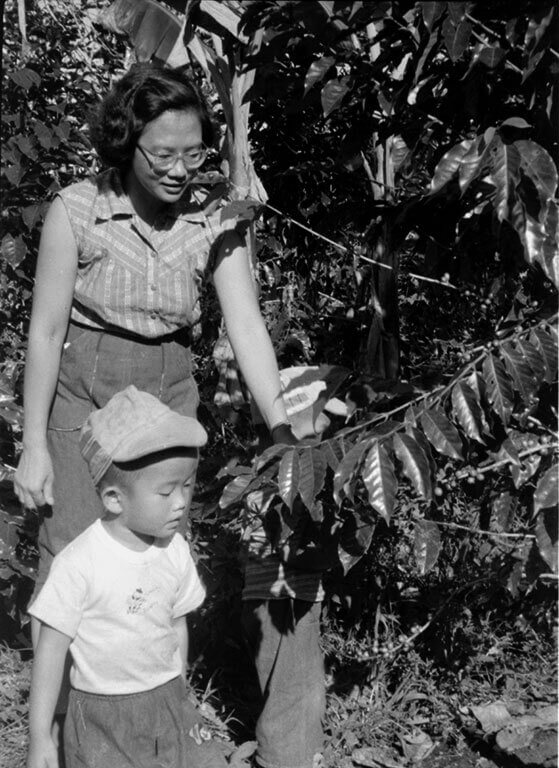
José’s friendship with Luis Wachong, weighed on the decision to buy land in Sabalito, and the quality of the land, “with a soft and fertile layer up to a meter deep.” The crop that was chosen for this virgin land was coffee. There were many small coffee producers in the area who needed to process their harvest. The manual process was very laborious and a processing plant was very expensive, so they became a cooperative.