Projects
The reserve serves as a laboratory for conservation projects, including support for scientific research, in collaboration with related organizations and academic institutions and local communities

The reserve serves as a laboratory for conservation projects, including support for scientific research, in collaboration with related organizations and academic institutions and local communities
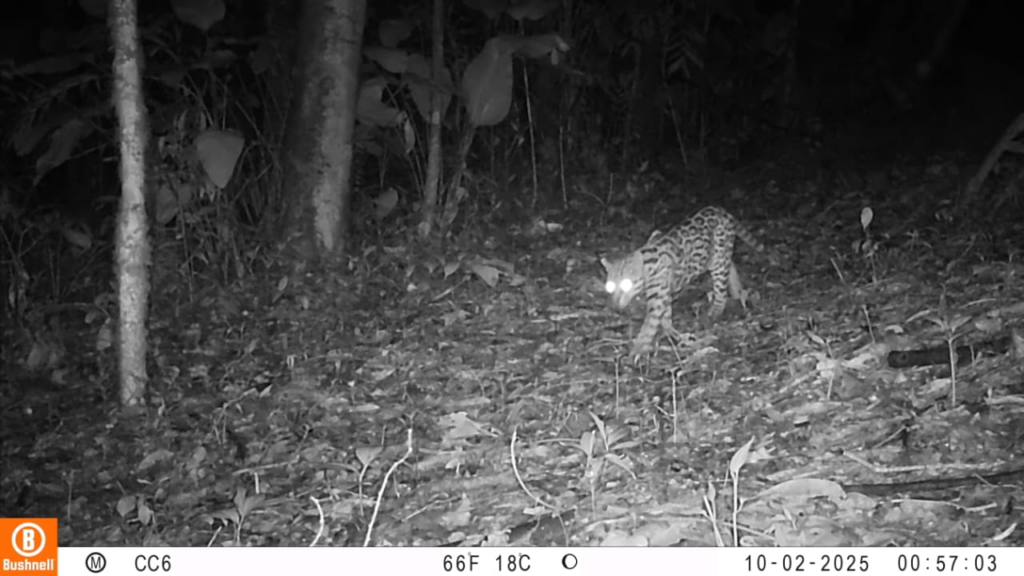
PROCAT, Lourdes Martínez: As part of this collaboration, Andrea R., who is working on her graduate thesis research, placed a camera trap in the primary forest where an AMISTOSA camera trap had previously captured a puma. The goal is to study the movement of felines through fragmented forests.
In 2021, PLC Network invited us to be members of the international conservation community. The stories of the reserves and conservation projects are shared in their networks, thus showing the tangible and intangible social benefits.
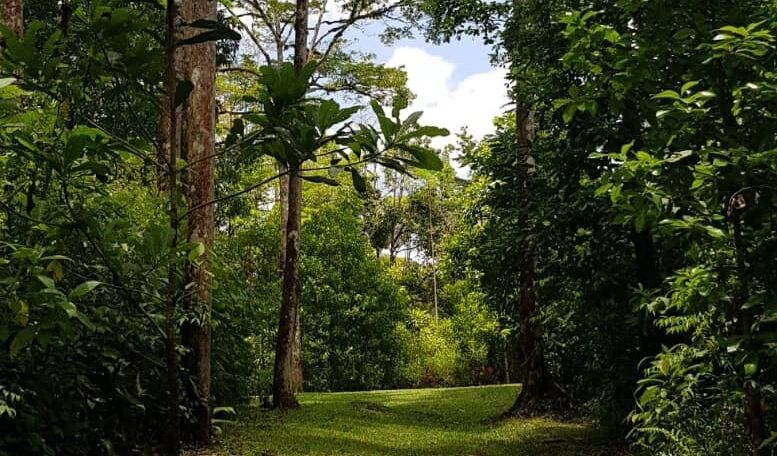
Carolina Vindas, Finca Cántaros Association: Around 150 students from the Umberto Melloni Campanini School in groups of around 15 people, including guides, visited the Reserve in May and June. Guides from the Bird Sleuth group were involved. The idea of this project is to encourage the development of leaders and foster a love of nature, as well as awareness of the existence of a wildlife sanctuary in Sabalito. These visitors are expected to defend the site against potential individuals or organizations that could harm nature in their quest for profit, despite the laws that protect it. Based on the experience gained from the Umberto Melloni visits, efforts will be made to invite other schools and promote visits every year.
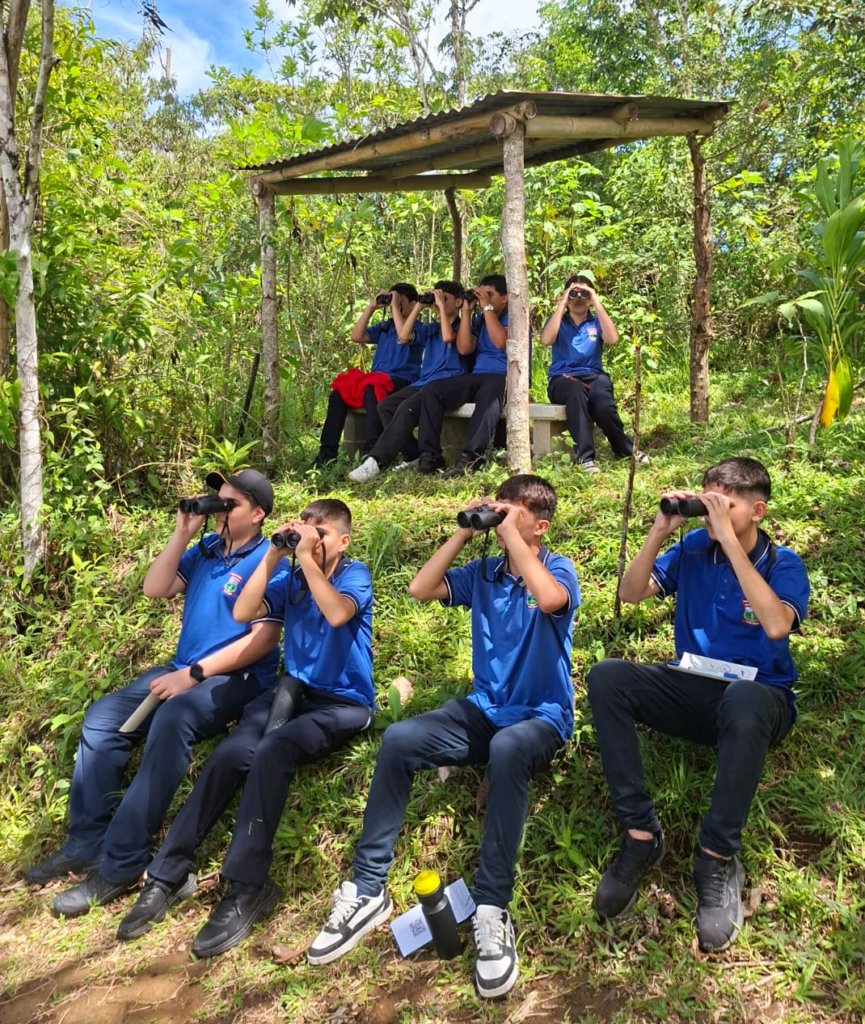
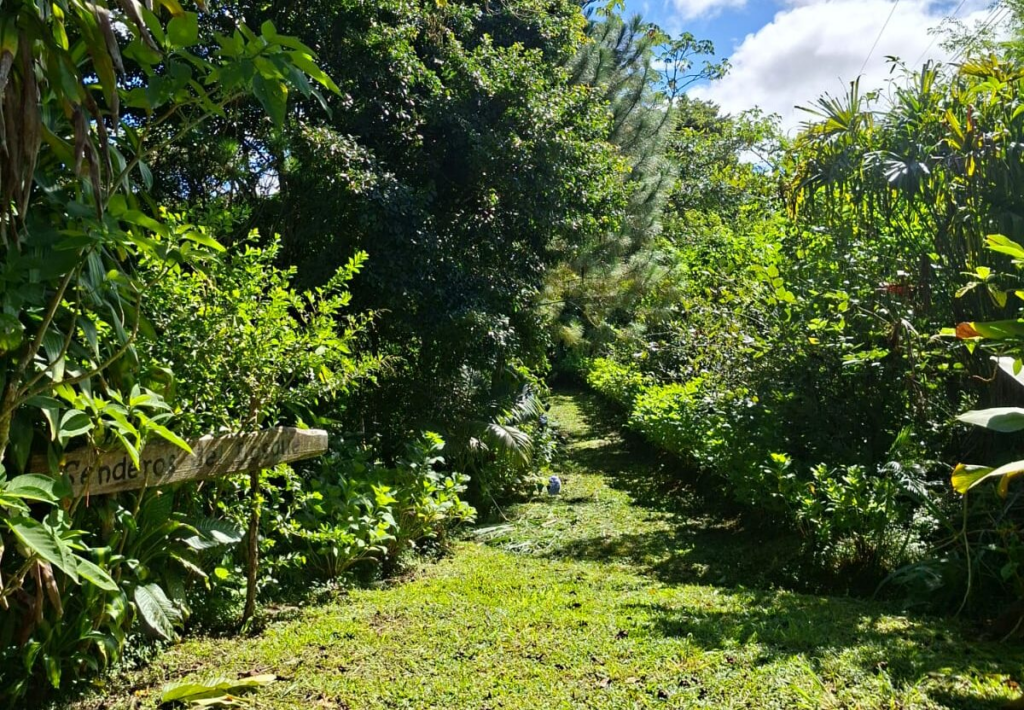
Vilma Castro, Emanuel Pineda, Bayron López: The goal is to create a long-distance hiking trail emulating the Camino de Costa Rica (https://www.caminodecostarica.org). The trail is expected to attract tourism that encourages environmental protection while directly benefiting people who can offer lodging, food, guided tours, and personal attention. It is a way to boost the economies of small communities in harmony with their history and environment.
Its creation consists of finding an attractive route and creating a database with information about the route: distances, degree of difficulty, available services and maps among other things, in a route that tentatively goes successively from Piedras Blancas National Park to La Gamba. Since the inception of the idea until May 2025, different groups of hikers have already visited all sections of the route. Although most of the route runs on public rural roads, there are sections on private properties where permission to pass are being negotiated. 2023
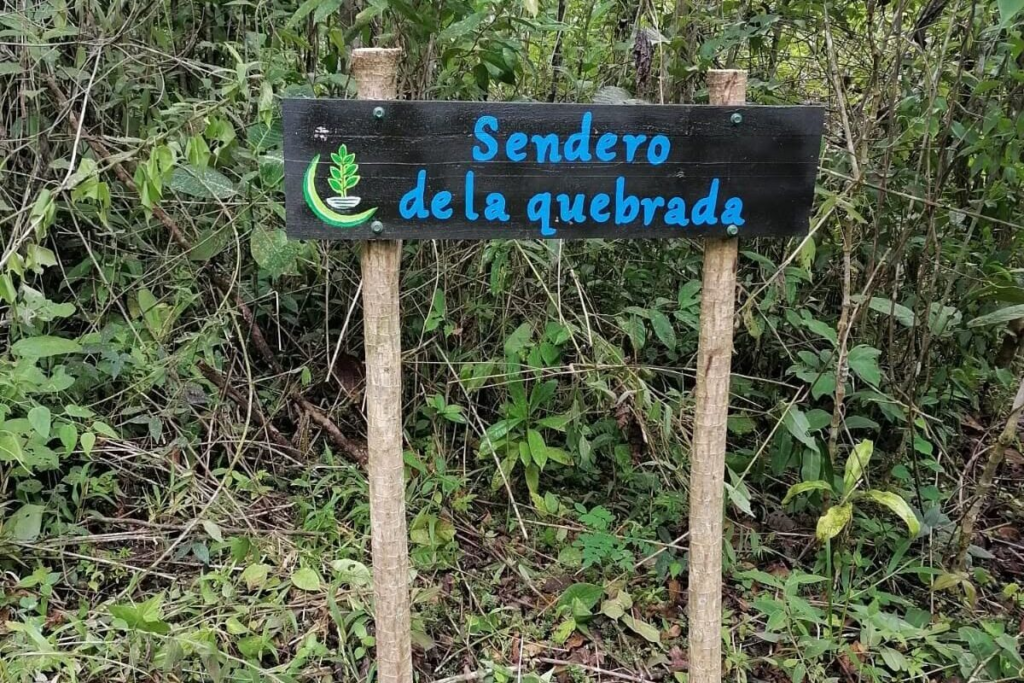
Sabalito Nature Reserve, and a local firm, Green Sense, began the project to design and signage a series of trails. Once the trails were marked, a brochure was created with a map of the trails and information for visitors. The trails were opened to the public in January 2021. To accommodate visitors, a parking area for approximately 25 vehicles was created at the entrance, a rainwater-fed restroom was built, and a tin roof shed with picnic tables was constructed. Three additional smaller sheds were built at different points along the trails, each with a cement bench.
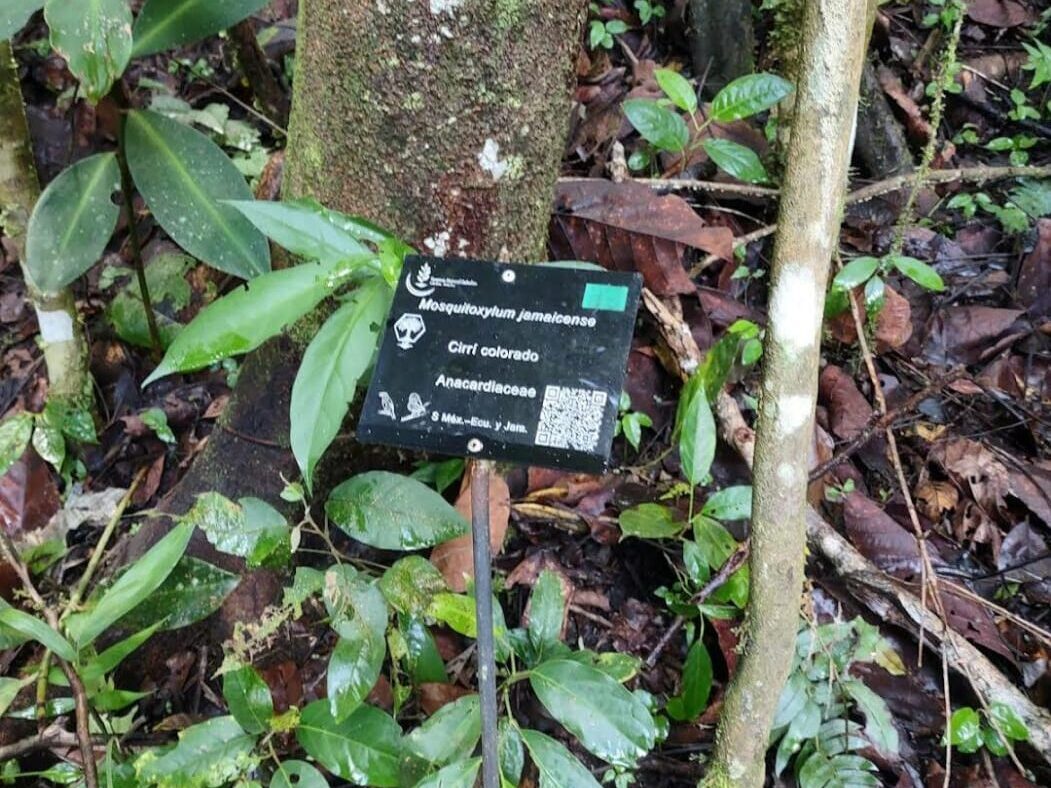
2024, Jeffrey Flores identified approximately 50 trees along the trails and placed acrylic plates indicating their scientific name, common name, the places where they grow naturally, animals and insects related to them, their abundance, and a QR code that links to a page with more information. The labelling process is expected to continue in the future.
BIOLOGICAL CORRIDORS + REFORESTATION
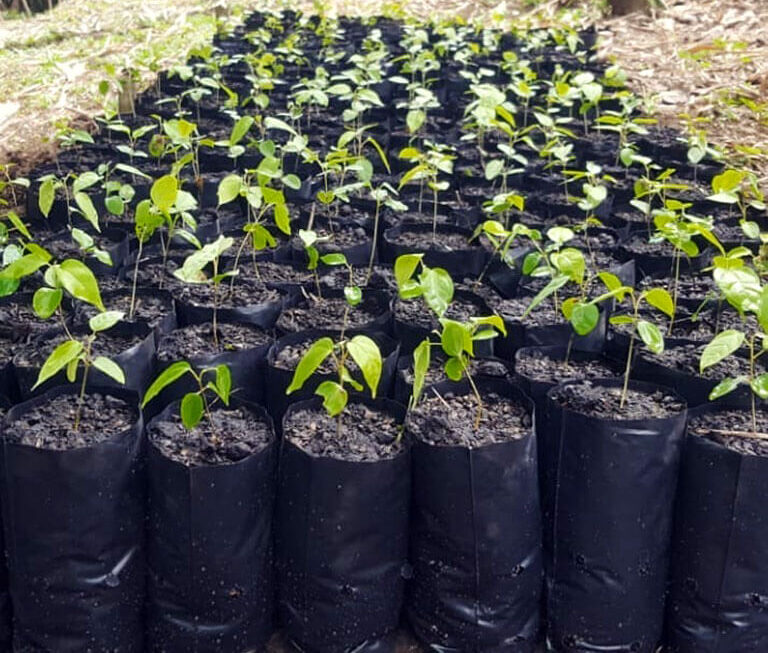
Osa Conservation, Rodrigo de Souza and Rodrigo Benavides, within the framework of Reef to Ridge Restoration project. Rodrigo Benavides designed a forest restoration experiment in which Sabalito Nature Reserve is participating. This experiment involved a 2,500 m2 degraded land where, after 35 years of natural restoration, only shrubs and ferns had grown. Pioneer trees were planted: balsa (Ochroma pyramidale), guaba (inga edulis), targuá (Croton gossypiifolius), and burío (Heliocarpus appendiculatus), under four types of treatment: fertilization with coffee stubble, fertilization with mountain micro-organisms, with Mexican sunflower (Tithonia diversifolia) as a nitrogen fixer in the soil, or without any treatment. 2024
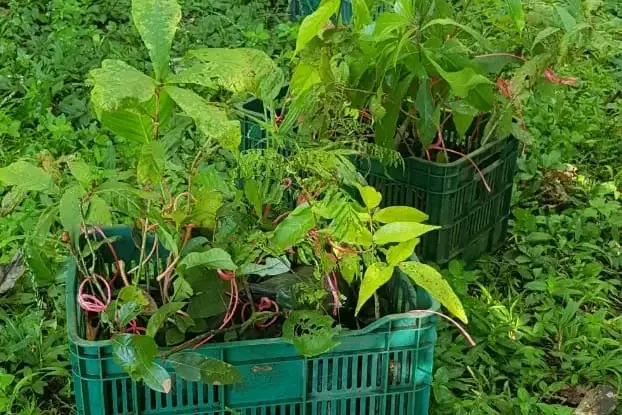
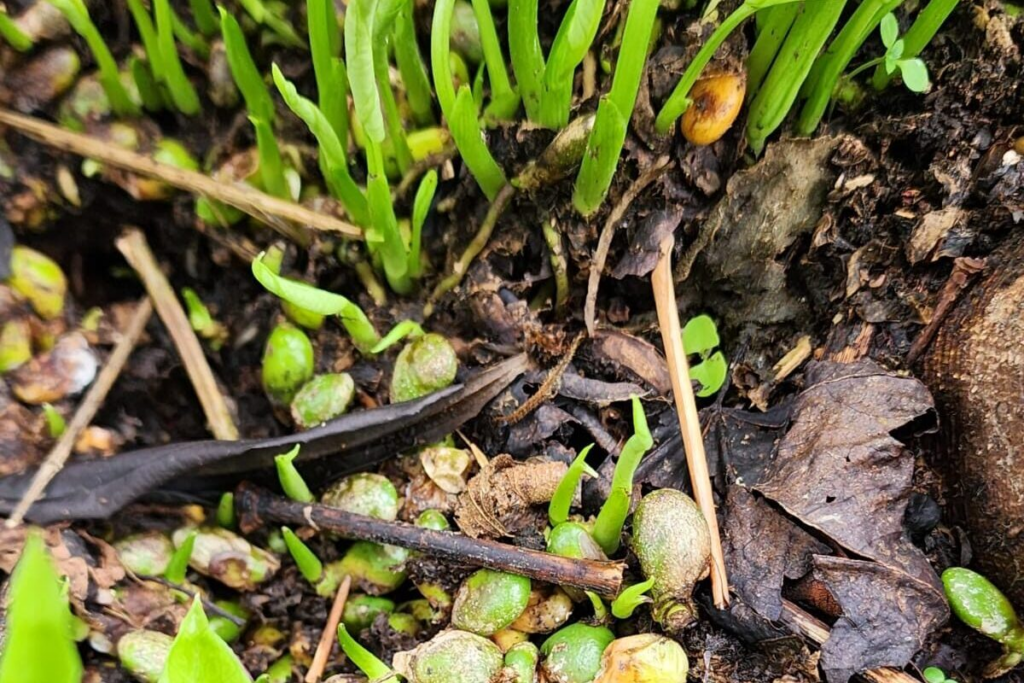
Osa Conservation, 2023, carried out by Rodrigo de Souza and Rodrigo Benavides, within the framework of Reef to Ridge Restoration project: more than 1,500 saplings typical of mature forests were planted within the secondary forests of the Sabalito Nature Reserve, including several types of oak, several types of aguacatillo, María cedar, quiubra or huesillo, colpachí, red nance, ira rosa, fruta dorada, ceibo, jorco, virola, inga skutchii, ciruelo, cupania, cenizo, palms, balsa, among others. In 2024, planting continued with around 1,000 additional saplings.
In 2015, in the Municipality of Coto Brus, 70 hectares were reported as forest protected by FONAFIFO, 30 hectares in reforestation of pine (Pinus caribaea) and yellow oak (Terminalia amazonia) and 30 hectares as annual cultivars.
In 2018, reforestation began in the areas of annual crops with may trees (Vochysia ferruginea), acacia (acacia mangium), cocoa (Theobroma cacao) and cedar walnut (Juglans neotropica) mainly. Starting in 2020, the planting of many more trees continues, promoting native species that provide food and shelter for the existing fauna.
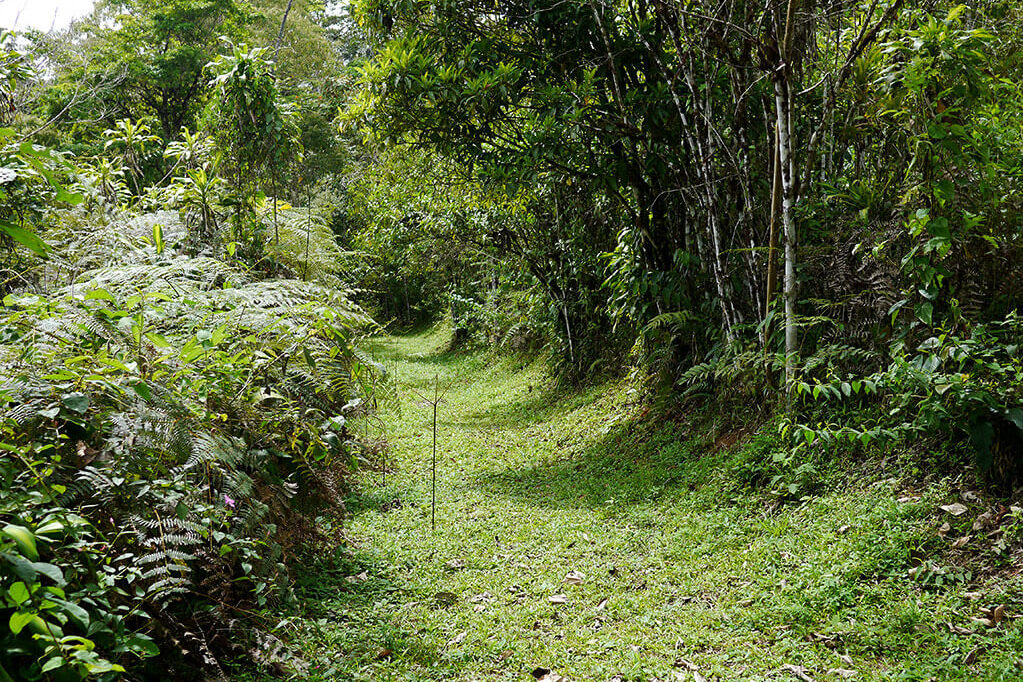
Traditional agricultural activities were suspended in the 1980s, with a decision to leave the areas with primary forest in their pristine state, and with the objective of recovering areas of secondary forest, reforesting with pines and other local species such as yellow or coral oak (Terminalia amazonia). Other areas have been left untouched to recover naturally.
The idea began to materialize with financial support from the reforestation programs of the Ministry of Agriculture in 1980, gaining momentum with the Payment for Environmental Services (PSA) program of the National Fund for Forest Financing (FONAFIFO). Even though state aid represents an important contribution to cover current operations, planning internalizes the temporal aspects of state aid.
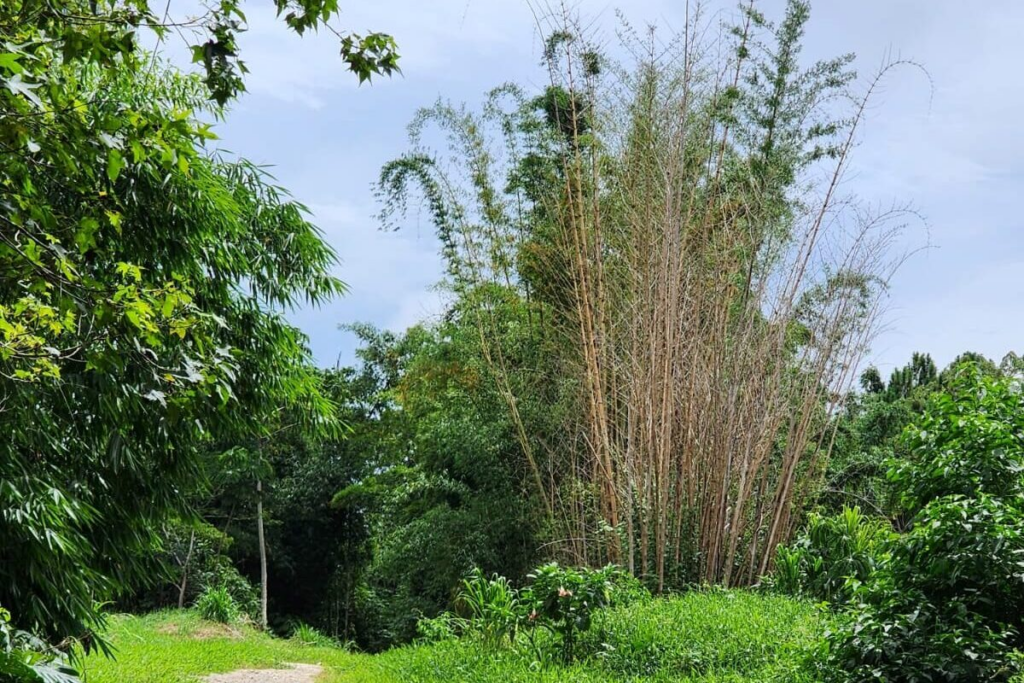
Javier Castro: the first 100 bamboo plants were purchased from Bambutico S.A. in Pérez Zeledón, planted in different parts of the Reserve and then propagated with cuttings. Five years later (2025), bamboo is being harvested for use by the Reserve and by locals upon request. It may be marketed in a near future.
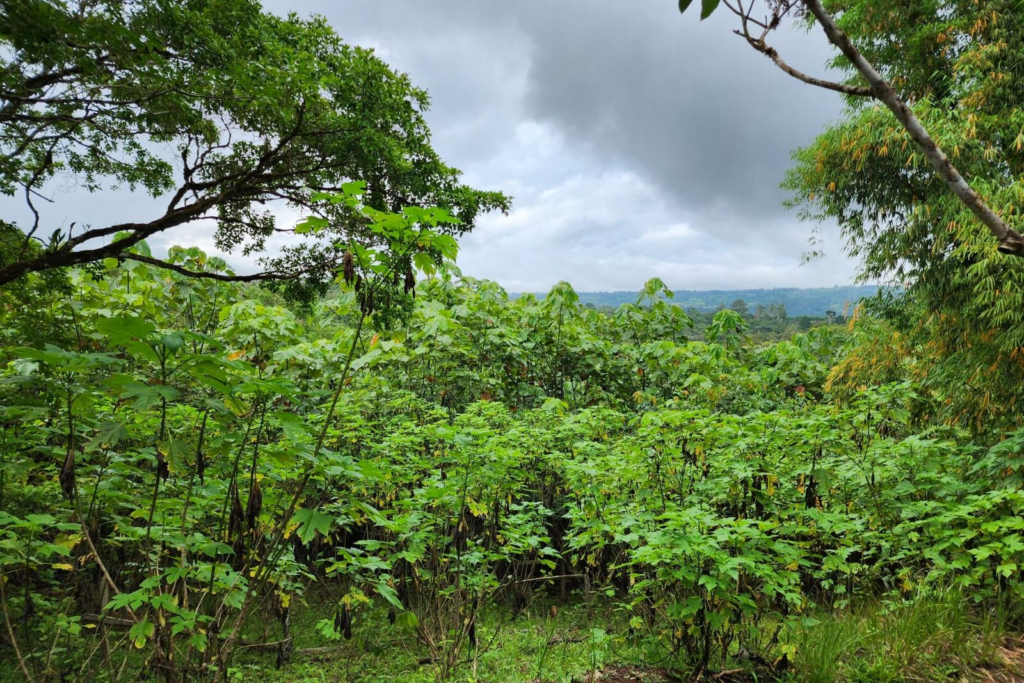
Osa Conservation, led by Rodrigo de Souza. To improve the existing forested area at Sabalito Nature Reserve to become part of the corridor, in June 2020, 400 native trees were planted followed by 200 more, two months later, in a plot of land that had been unsuccessfully reforested with pine trees more than 10 years earlier.
ACADEMIC STUDIES
Laura Aldrich and Elena Prado of North Dakota State University observed these movements from the Sabalito Nature Reserve primary forest to the neighbor coffee plantation belonging to Guido Blanco. Group 1 conducted data collection that ended in December 2021, and Group 2 conducted further observations in 2022.
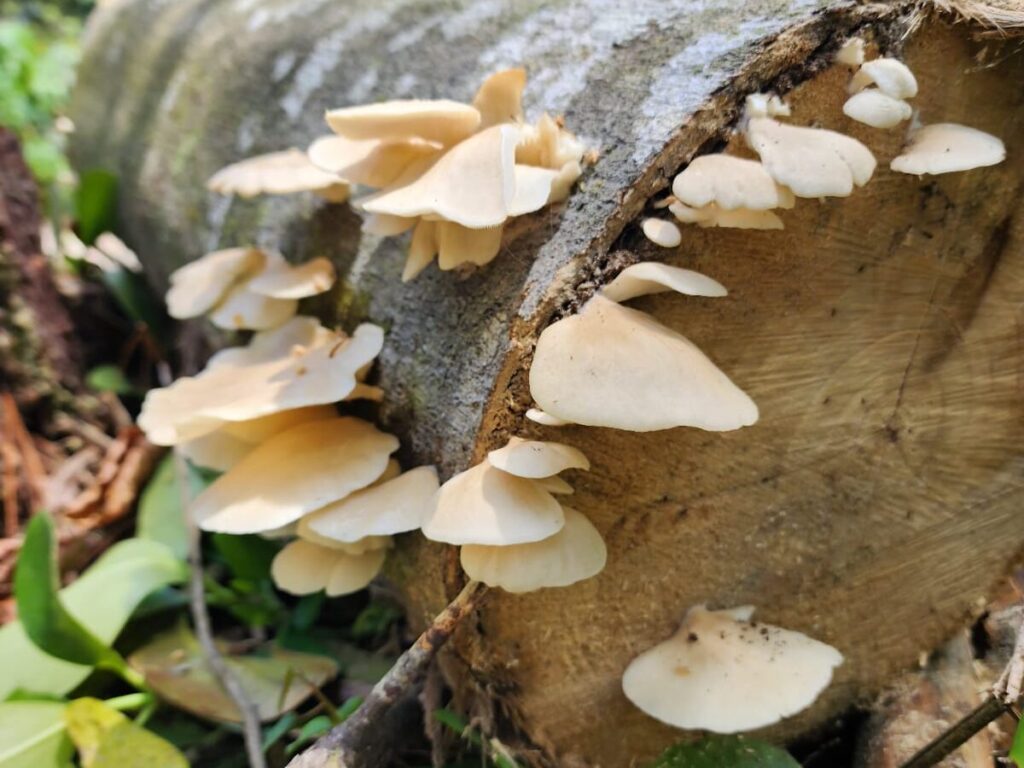
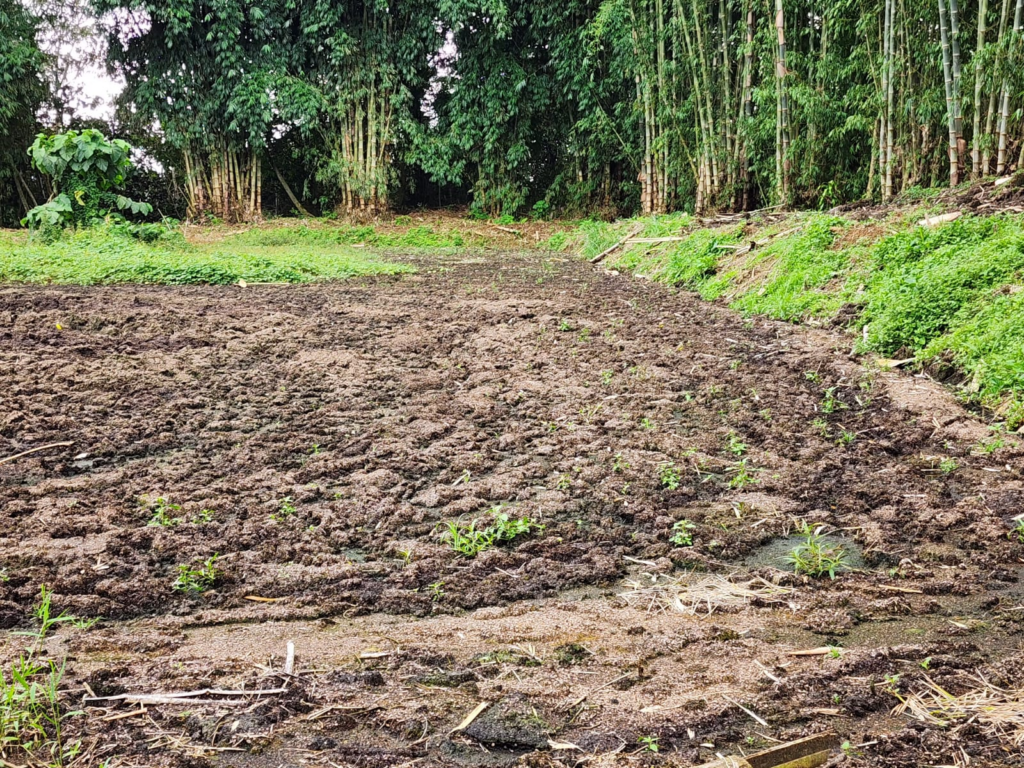
A study already completed is a report on the use of coffee chaff as an adjuvant to accelerate the recovery of soils in proto-forests, written by: Rebecca Cole & Rakan A. Zahawi from the University of Hawai’i at Manoa, Honolulu, USA . Published on March 28, 2021
Estefania P. Fernandez Barrancos, a PhD candidate in Biology at the University of Missouri – St. -Louis and a fellow of the Whitney R. Harris World Ecology Center. Estefanía took some of the data for her thesis in Sabalito Nature Reserve. In her own words, below is an extract taken from: https://mbgecologicalrestoration.wordpress.com/2022/02/25/planting-trees-recovers-70-years-worth-of-dead-wood-carbon-pools-in-less-than-two-decades/
… “dead wood stores an important amount of carbon. An amount important enough that if dead wood disappeared it could promote more changes to our already rapidly changing climate. Dead wood is also a crucial habitat for many organisms such as fungi, insects, and birds… Many insects and fungi use dead wood as a source of food and nutrients, and several species of birds are only able to nest in dead logs. Anthropogenic disturbances, such as logging and deforestation, can significantly decrease the amounts of dead wood present on the forest floor, sometimes leading to losses of up to 98% of dead wood”. Estefanía P. Fernández Barrancos, Robert J. Marquis, J. Leighton Reid 2022, Restoration plantations accelerate dead wood accumulation in tropical premontane forests, Forest Ecology and Management 508.
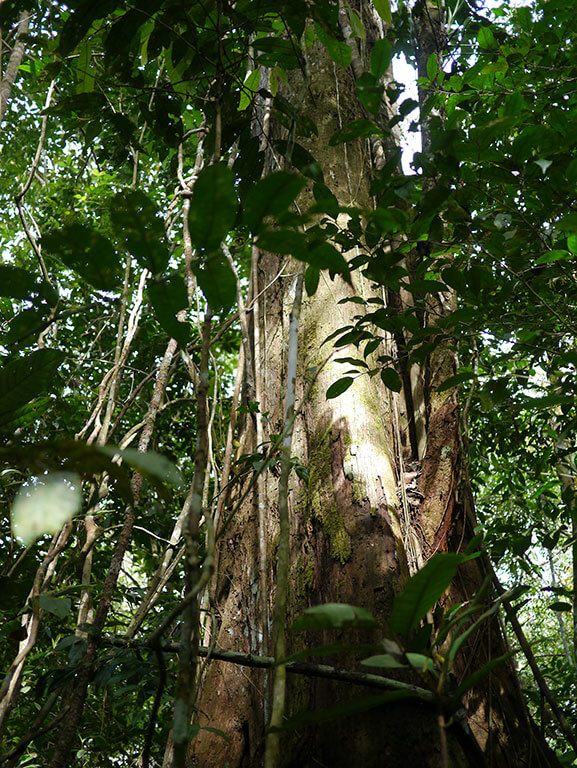
Enrique Castro, Álvaro Segura, José Zero, Sven. It contemplates the creation of an open-source framework for establishing a global carbon accounting system. The idea is to establish a formal model that links biomass accumulation with carbon credits in a way that provides confidence to guarantee financial transactions. Part of this project is to establish a carbon metrology appropriate to the technical and legal conditions of each area, which would allow a direct connection between entities that capture carbon and entities that need to offset their carbon emissions.
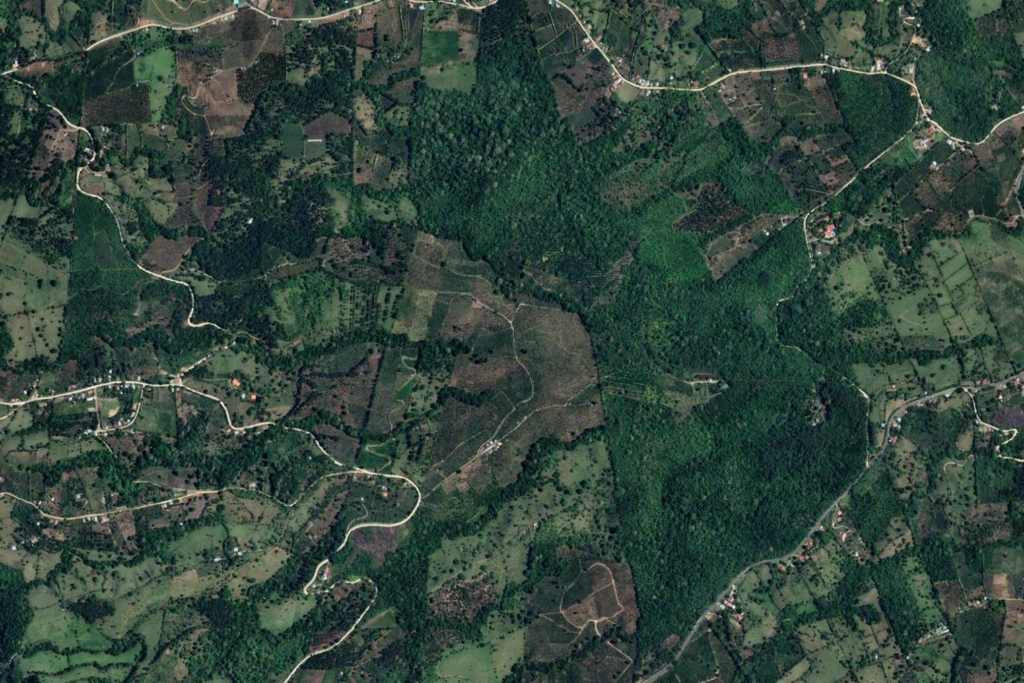
Crowther Lab., University of Zurich. Six plots of 32 m x 32 m of bare land were selected to compare natural restoration vs. assisted restoration. For this project, biomass and woody species are being recorded in the six plots over a 5-year period (2022-2026). In the assisted restoration plots, black walnut (Juglans nigra) and cacao trees were planted and supported with hoeing, fertilization, and insect control. Meanwhile, in the natural restoration plots, care is taken to ensure that there is no human intervention or disturbance from domestic animals.

The Reserve has
Develop a project, cooperate with the community or be part of the Reserve
Contact Us: info@sabalito.org